History, Kingdoms, and spirituality in West Africa
The Ewe are one of West Africa’s prominent ethnic groups, found mainly in southeaster Ghana, Togo, and Benin. Their identity is shaped by migration, state-building, and spirituality.
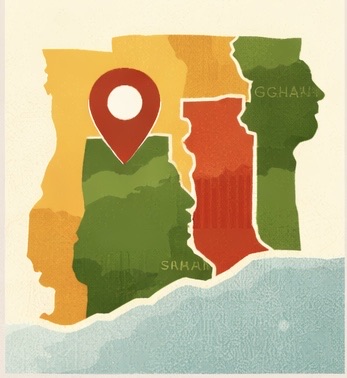

The Ewe people are believed to have migrated from the region of the Niger River in West Africa. Linguistic and archaeological evidence suggests that their migration occurred around the 11th century. It is said that they originally lived around the areas of what is now Nigeria and the Middle Niger basin before moving westward due to a combination of social, political, and environmental factors. This migration eventually led them to settle in what is now southeastern Ghana, southern Togo, and parts of Benin.
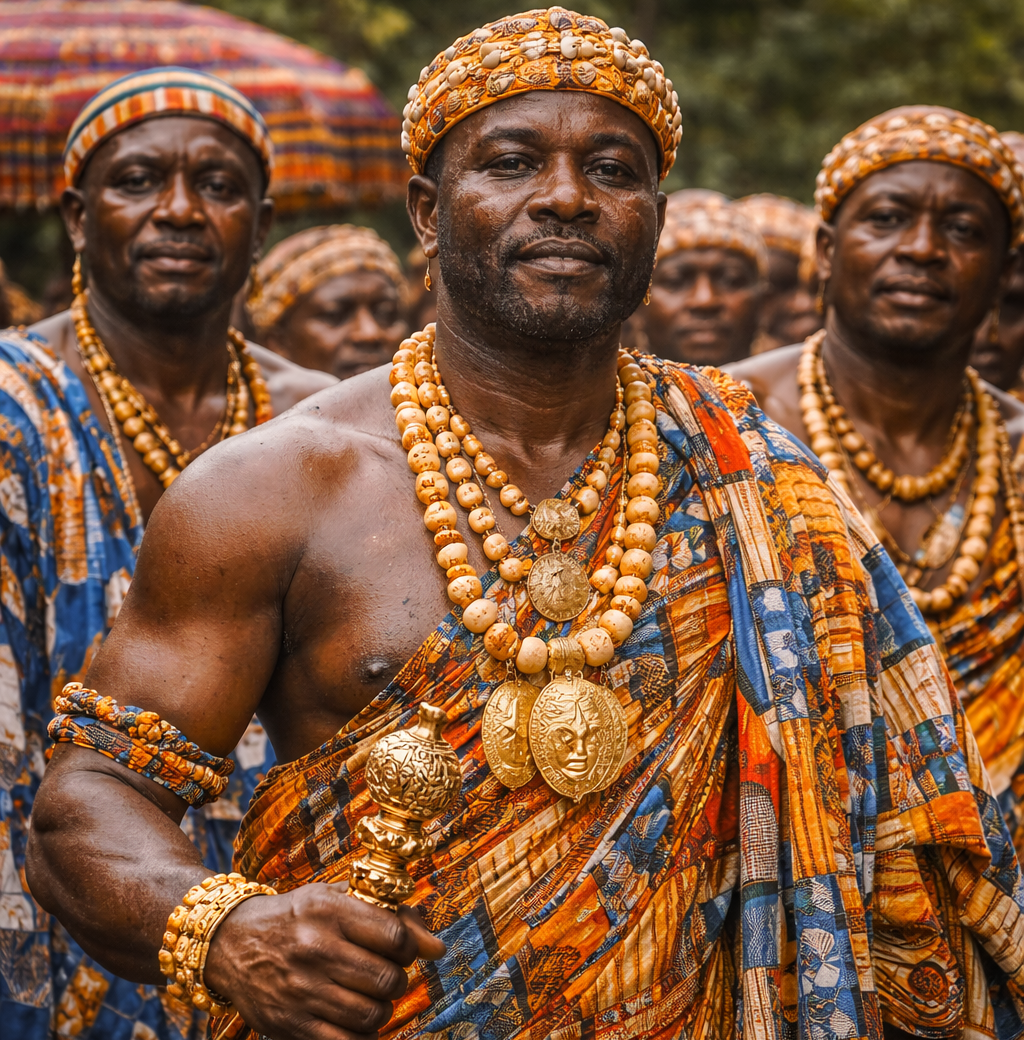
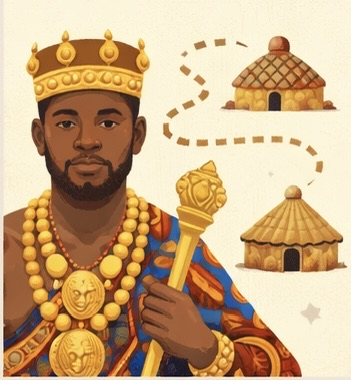
As the Ewe settled in their new areas, they formed various political entities, including smaller kingdoms and chiefdoms. The most notable of these was the Dahomey Kingdom, which existed in what is now southern Benin, but also the Ewe settlements in Ghana and Togo formed independent political units, each led by a chief or king (known as a “Fiaga”). These rulers were responsible for governance, military leadership, and the preservation of the community’s cultural traditions.
The Ewe people, due to their extensive trade routes and political alliances, became very influential in the region. However, they also faced significant challenges such as raids from other groups and the encroachment of European colonial powers in the 19th and 20th centuries.
During the colonial era, the Ewe people were subjected to the influence of both the French (in Togo and Benin) and the British (in Ghana). The partitioning of Africa between European powers during the Berlin Conference (1884-1885) led to the splitting of the Ewe homeland between the two colonial entities. This division created lasting socio-political and cultural divisions, which persist to this day.
The arrival of European powers also led to the introduction of Western education, Christianity, and European-style governance, which affected the traditional structures of Ewe society.
Ewe spirituality emphasizes harmony between the natural world, ancesztal presence, and a supreme creator.
Rituals, music, and sacred traditions continue to shape community life.
he spirituality of the Ewe people is deeply rooted in their relationship with nature, the ancestors, and their belief in a pantheon of gods and spiritual forces. Ewe spirituality is traditionally based on animism, ancestor worship, and the reverence of a Supreme Being. Here are the key elements of their spiritual worldview:
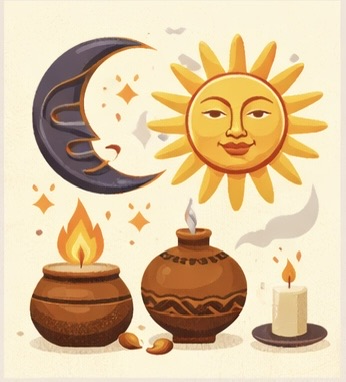
The Ewe believe in a Supreme God known as Mawu, sometimes referred to as Mawu-Lisa. Mawu is considered both male and female, embodying the duality of the universe. Mawu represents the creator of the universe, and Lisa (often depicted as the male counterpart) governs the heavens. Mawu is associated with light and the sun, while Lisa is connected with the moon and night. Together, they maintain cosmic balance.
While Mawu is the ultimate creator, the Ewe believe that Mawu is somewhat distant and that humans should engage with the world through intermediary deities and ancestral spirits.
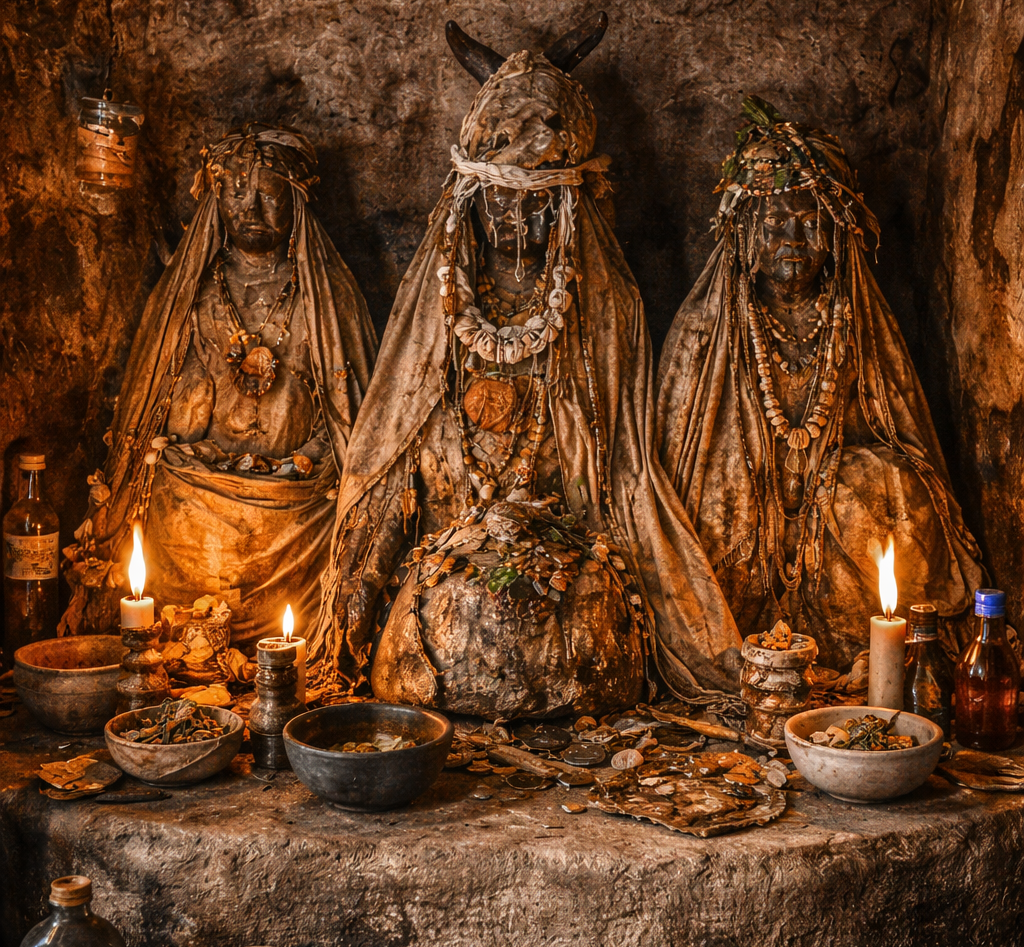
The Vodun (often Anglicized as Voodoo) is a system of deities worshiped by the Ewe, as well as the Fon people of Benin and other groups in West Africa. These spirits are thought to influence daily life, and they are worshipped through rituals, offerings, and prayers.
Key deities in the Vodun pantheon include:
Togbi: The chief god of the Ewe, often associated with creation and wisdom.
Agbe: The god of the sea, a powerful deity in Ewe spirituality.
Xevioso: The god of thunder and lightning.
Hevioso: The god of war, associated with power and strength.
Dada: The god of fertility, often invoked in agricultural rituals.
Vodun practitioners also believe in spirits of nature, such as water spirits, tree spirits, and the spirits of animals, who interact with the physical world.
Ancestors play a significant role in Ewe spirituality. The Ewe believe that their ancestors are still present in the community and can influence the lives of the living. Ancestral spirits are honored through regular rituals, prayers, and sacrifices, and it is believed that they act as protectors and guides for their descendants.
The ancestors are typically honored during important events like birth, marriage, and death, but they also influence everyday activities such as farming, hunting, and warfare.
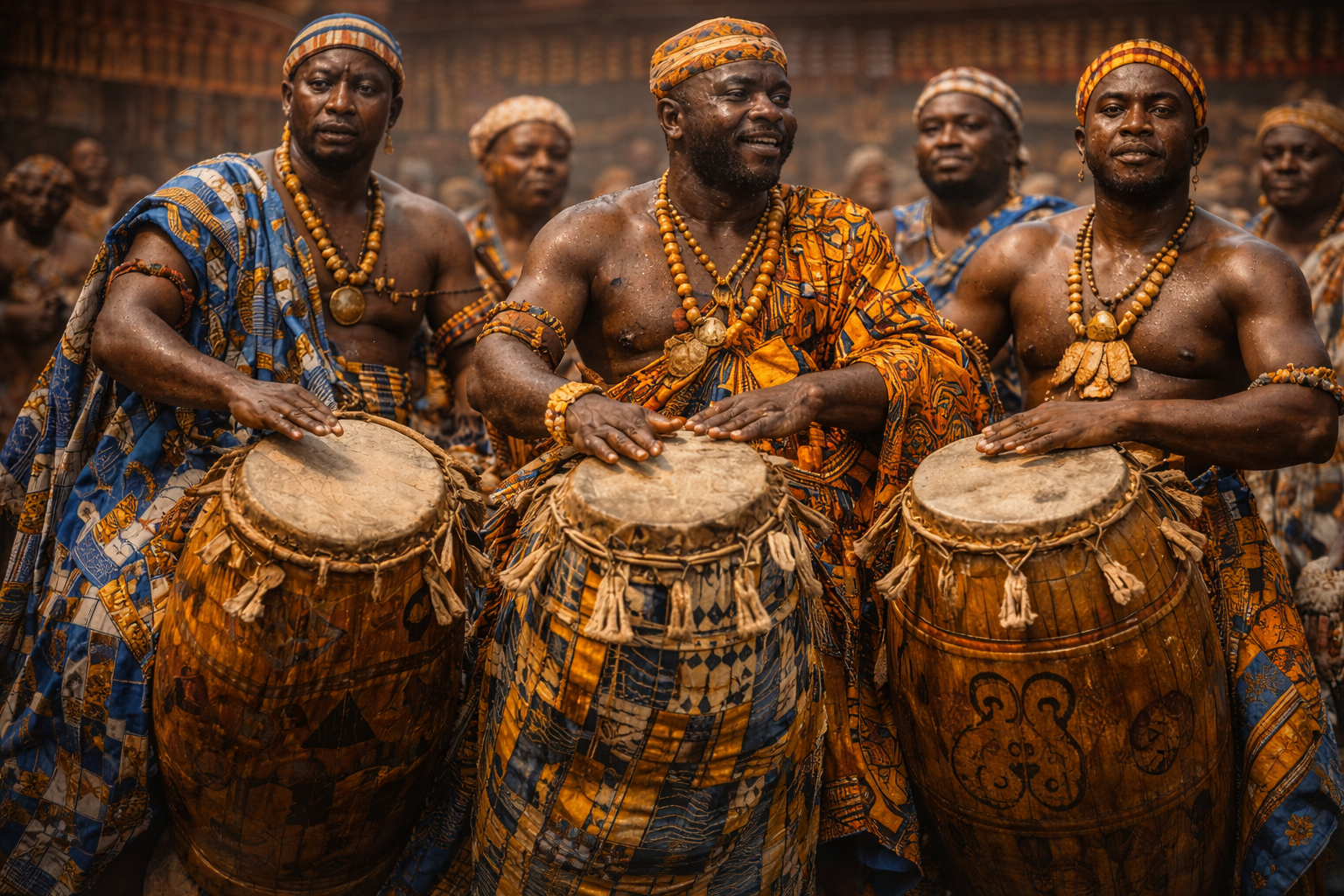
The Ewe are known for their vibrant and elaborate religious ceremonies, which often involve music, dance, drumming, and the use of ritual objects. One of the most important rituals is the Dipo initiation ceremony for girls, which marks the transition from childhood to adulthood. Additionally, there are annual ceremonies for different deities and to honor ancestors.
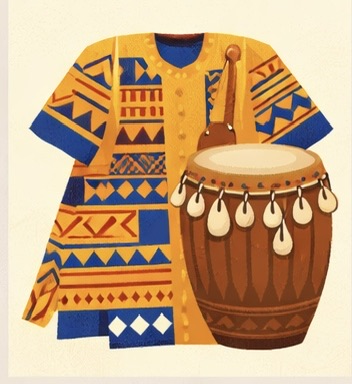
The use of drums and ritual music is especially important in Ewe religion. Drumming is considered a way to communicate with the gods and is integral to many rituals. The Ewe have a variety of sacred drums, each with specific meanings and uses.
Divination plays a crucial role in Ewe spirituality, where diviners (known as Awofo or Djemas) act as intermediaries between humans and the spiritual world. Divination helps to provide answers to personal and communal questions and is often used to address issues related to health, relationships, and conflict.
Traditional healers also play an essential role in Ewe society, using herbs, spiritual knowledge, and ritual to heal both physical and spiritual ailments. Healing rituals often involve invoking spirits, the use of herbal medicine, and performing sacrifices.
With the spread of Christianity during the colonial period, many Ewe people began to adopt Christian beliefs. However, they often combined elements of traditional religion with Christianity, resulting in syncretic practices. This can be seen in the Ewe Christian churches, where some rituals and beliefs are still influenced by traditional African spirituality, especially in the way people engage with saints, spirits, and the Holy Spirit.
In some cases, elements of Vodun have been integrated into Christian practices, and there are instances where people continue to practice both Christianity and traditional spirituality.
Conclusion
The Ewe tribe has a deep, rich spiritual and cultural heritage that has shaped its people’s worldview and way of life. Their religion, characterized by a reverence for nature, the belief in a Supreme Being, a complex pantheon of deities, and ancestor worship, reflects the interconnectedness of their world. Despite the impact of colonization and Christianity, many elements of Ewe spirituality remain strong and continue to influence their practices today. The Ewe people’s resilience and ability to adapt to external pressures while maintaining their identity are evident in their ongoing spiritual traditions.